How to Build a House in 2026: Step-by-Step Guide from Planning to Move-In
May 20, 2026

There’s something deeply personal about building a home. It’s the opportunity to create a space that fits how you actually live, not just what’s available on the market. The layout you’ve imagined, the way natural light moves through the rooms, and the spaces that naturally become part of daily life all get shaped from the ground up.
For most people, the process begins with excitement and possibility. But turning that idea into a finished home requires a series of decisions that build on one another. Land, financing, design, materials, and construction methods all influence cost, timeline, and outcome in ways that are not always obvious at the start.
This guide breaks down the process in clear, practical terms so you understand what building a home actually involves, where the major decisions happen, and what impacts budget and timeline along the way.
At a high level, homebuilding is a coordinated sequence between land, design, structure, and finishes. Each phase depends on the one before it, which means early decisions carry forward into every stage of construction.
A typical build includes:
Delays and budget changes usually trace back to decisions made early in the process, especially around land, design, and site conditions.
For most people, the process begins with excitement and possibility. But turning that idea into a finished home requires a series of decisions that build on one another. Land, financing, design, materials, and construction methods all influence cost, timeline, and outcome in ways that are not always obvious at the start.
This guide breaks down the process in clear, practical terms so you understand what building a home actually involves, where the major decisions happen, and what impacts budget and timeline along the way.
Homebuilding costs vary widely based on location, finishes, and complexity, but general ranges look like this:
These numbers typically do not include land.
Additional costs often include:
In most builds, the biggest cost variability comes from site conditions, not the structure itself.
Before design or construction begins, there is a more important decision to make: whether building is the right path at all.
Building offers control over layout, design, and materials, but it also introduces complexity, decision volume, and time commitment that buying a home does not require.
Buying a home is a finished product. Pricing is known upfront, the structure already exists, and the timeline to move in is usually short.
Building a home takes longer and requires ongoing decisions, but it allows you to tailor the home to your land, budget priorities, and lifestyle.
Buying prioritizes speed and certainty.
Building prioritizes customization and long-term fit.
If you choose to build, the next decision is how customized the process should be.
Production (semi-custom) homes:
Custom homes:
More customization generally means more coordination and longer build time.
Even with a builder managing the process, homeowners remain involved in key decisions throughout construction.
Once building begins, the typical timeline is 7 to 12 months, but planning, design, permitting, and financing often add several months before construction starts.
Owner-managed or DIY builds require significantly more time due to scheduling, coordination, and trade management responsibilities.
Stress in homebuilding is usually tied to timing and decision overlap, not a single event.
Selections often need to be made while construction is already underway. Weather delays, material lead times, and trade scheduling can also create pressure points.
Successful projects are not defined by the absence of problems, but by clear expectations, consistent communication, and decisions made without rushing.
Building is not inherently cheaper than buying.
While it can be cost-effective in certain situations especially when land is already owned or the build is efficiently managed, total project cost often equals or exceeds comparable existing homes once all factors are included.
Key additional costs include site work, utilities, permits, financing during construction, and design changes.
The primary advantage of building is not cost savings. It is control over how the budget is allocated.
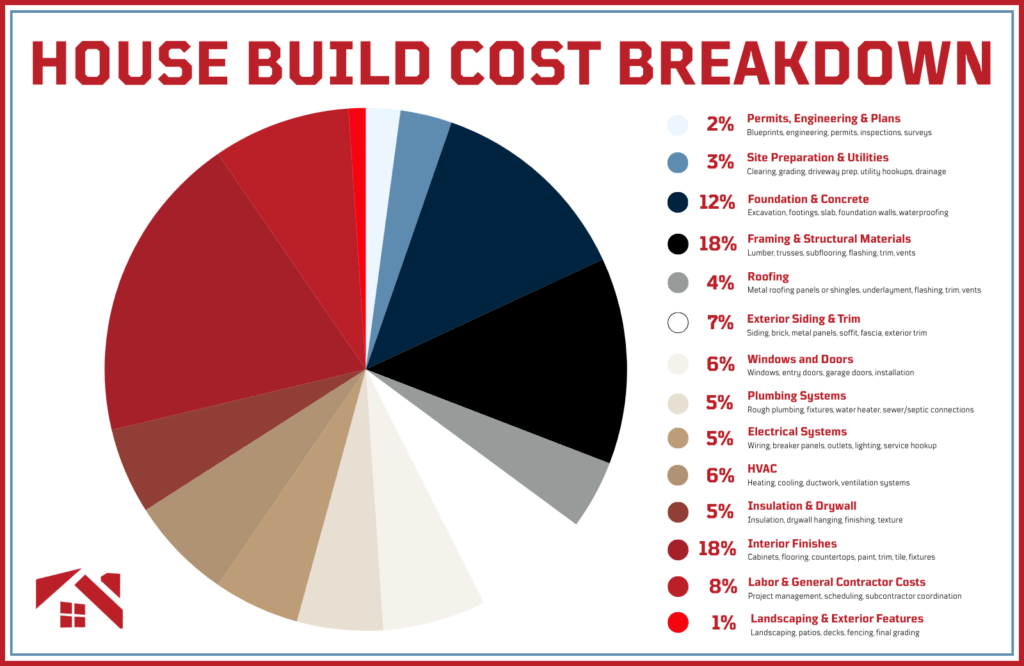
A per-square-foot estimate only reflects part of the total cost. The full budget includes multiple layers that extend beyond the structure itself.
Land is the foundation of the project, but not all parcels are immediately buildable.
Key factors include:
Lower-cost land can require significantly more investment in preparation before construction begins.
Site preparation includes clearing, grading, excavation, and establishing access to the build area.
More complex properties may require drainage correction, rock removal, or retaining walls. These costs vary widely and can significantly affect early-stage budgets.
Utility installation includes water, sewer or septic, electricity, and sometimes gas or internet infrastructure.
If utilities are already at the road, costs are lower. If they must be extended, pricing increases based on distance and terrain.
Permits ensure the home complies with local building codes and zoning regulations.
These may include building permits, inspections, impact fees, and engineering approvals. While not the largest cost category, they are required for construction to proceed.
Labor represents a major portion of total construction cost and includes all trades involved in the build.
This includes general contractors, subcontractors, and specialty trades such as framing, electrical, plumbing, and HVAC.
Scheduling efficiency directly impacts labor cost and project duration.
Finishes are one of the most flexible and variable cost categories.
Cabinets, countertops, flooring, fixtures, and appliances can vary widely in price depending on selection level. Two identical homes structurally can have very different final costs based on finish choices alone.
A contingency fund is a necessary part of most builds.
A typical range is 10–15% of total project cost, used to cover unexpected conditions, changes, or price fluctuations without disrupting construction.
Common unexpected costs include:
These are normal in residential construction and should be planned for upfront.
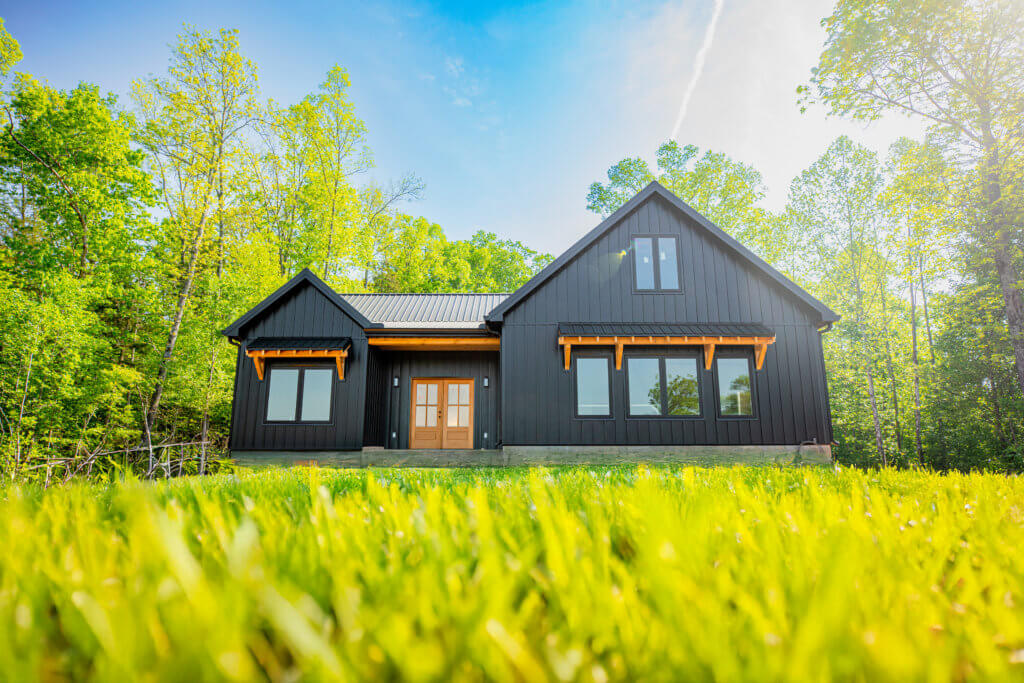
Land determines what is possible before design begins. Many cost and buildability issues originate at this stage.
Determine early whether the property connects to public sewer or requires a septic system.
Septic systems require soil testing and approval, which can influence both cost and home placement.
Confirm availability of electricity, water, gas, and internet.
Extended utility runs are one of the most common sources of unexpected early-stage costs.
Evaluate how water moves across the property during heavy rainfall.
Poor drainage can increase site prep costs and create long-term foundation or maintenance issues.
Soil conditions determine foundation design and structural requirements.
Testing can reveal conditions that require engineered foundations or additional site preparation.
Zoning laws, HOA rules, and deed restrictions can impact what can be built.
These may affect home size, materials, roof types, and outbuildings.
Easements allow access to parts of the property for utilities or shared use.
They can affect placement of structures and should be reviewed before purchase.
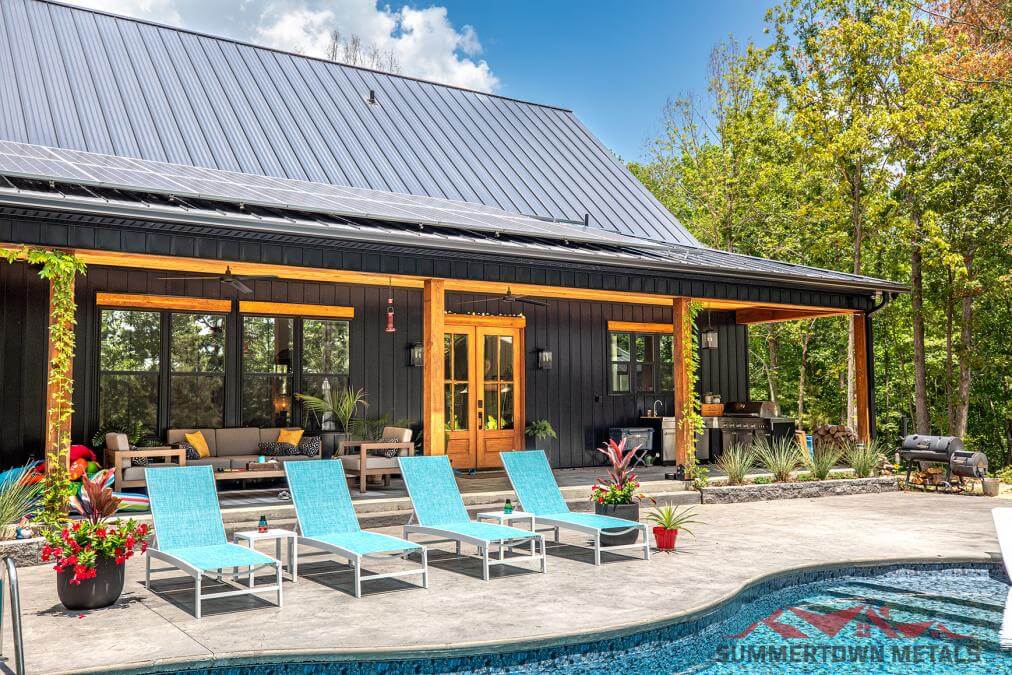
This decision defines how the entire project is managed, how involved you are, and how risk is distributed.
Most homeowners end up in one of three paths.
A turnkey builder manages the entire process from start to finish. They coordinate the plans, permits, subcontractors, scheduling, and final completion so the homeowner is primarily making decisions rather than managing the build.
This is the most streamlined option and typically the least hands-on. It’s designed for people who want a predictable process and are willing to pay for coordination and convenience.
In this approach, you act more like a coordinator. Instead of hiring a single builder, you individually hire trades such as framers, electricians, plumbers, and roofers.
This can offer more control over pricing and scheduling, but it requires a strong understanding of sequencing and construction workflow. If trades are not scheduled correctly, delays and cost overruns become more likely.
Acting as your own general contractor puts you in charge of the entire build. You are responsible for hiring subcontractors, managing timelines, coordinating inspections, and keeping the project aligned from start to finish.
This path offers the most control and the highest potential for cost savings, but it also carries the most responsibility. It requires time, construction knowledge, and the ability to manage multiple moving parts at once.
No matter which path you choose, the differences come down to a few core factors.
Savings potential:
More involvement can reduce markup costs, but savings are not guaranteed. Mismanagement or delays can quickly offset any gains.
Time demands:
Turnkey builders require the least time. Subcontractor management and GC roles require ongoing involvement throughout the entire build.
Risk level:
Risk increases as responsibility shifts away from a single coordinated builder. Scheduling errors, miscommunication, and sequencing issues become more common.
Experience required:
Turnkey builders require no construction experience. Managing subs or acting as a GC benefits significantly from prior knowledge of how residential construction flows.
Financing limitations:
Some lenders prefer or require a licensed general contractor for construction loans. Acting as your own GC can limit financing options depending on the bank and project structure.
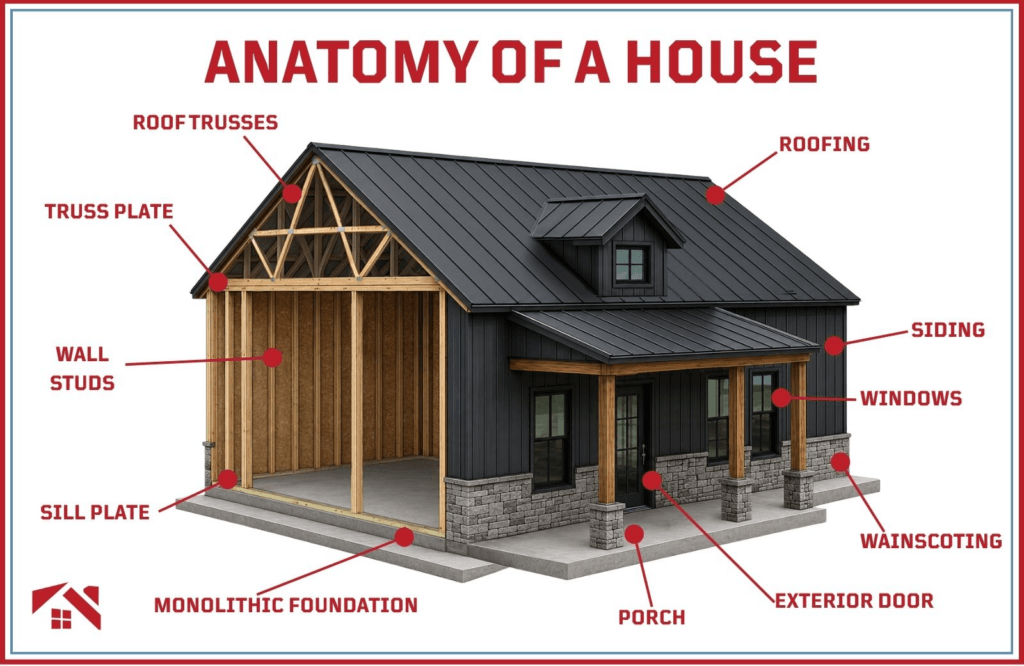
Once you’ve secured land and decided how you’re going to build, design becomes the point where the home starts to take shape in a real, functional way. This is where ideas turn into floor plans, and floor plans turn into something that has to actually work in the real world.
Good design isn’t just about looks. It’s about how the home performs day to day, how it fits the land, and how well it holds up over time.
The floor plan is the foundation of everything that follows. It determines how space flows, how rooms connect, and how the home will feel once it’s built.
At this stage, it’s important to think beyond square footage and focus on how the home will actually be used. Entry points, storage, traffic flow, and room placement all have long-term impact on livability and construction cost.
Small changes on paper can have major cost implications once framing begins, which is why most builders push for final decisions before construction starts.
Pre-designed plans are faster and typically more cost-efficient. They’ve already been engineered and built before, which reduces unknowns and helps control both budget and timeline. Adjustments can still be made, but within a defined structure.
Custom plans offer full flexibility. You can design around your land, your lifestyle, and specific needs, but that flexibility comes with more design time, more decisions, and more opportunities for cost adjustments during construction.
Most projects fall somewhere in between, starting with a base plan and modifying it to fit the property and budget.
A well-designed home should still make sense ten or twenty years from now. Future-proofing is about designing for long-term usability instead of just immediate needs.
That often means thinking ahead about things like additional bedrooms, aging-in-place accessibility, storage expansion, or the ability to convert spaces later without major structural changes.
It’s easier and more cost-effective to plan for flexibility during design than to add it after the home is built.
Energy performance is no longer a secondary consideration. It directly affects long-term operating costs and comfort.
Design choices like insulation levels, window placement, roof design, and HVAC planning all influence how efficiently the home performs. Orientation on the land also plays a role, especially when it comes to sunlight exposure and heating or cooling loads.
Early design decisions tend to have the biggest impact on efficiency, more so than upgrades added later.
Even if you plan to stay in the home long-term, resale value should still be part of the design conversation.
Homes that are too highly customized or designed around very specific personal preferences can be harder to resell. On the other hand, overly generic layouts may not maximize livability for your situation.
The goal is balance. A well-designed home fits your needs today while still appealing to future buyers if your plans change down the road.
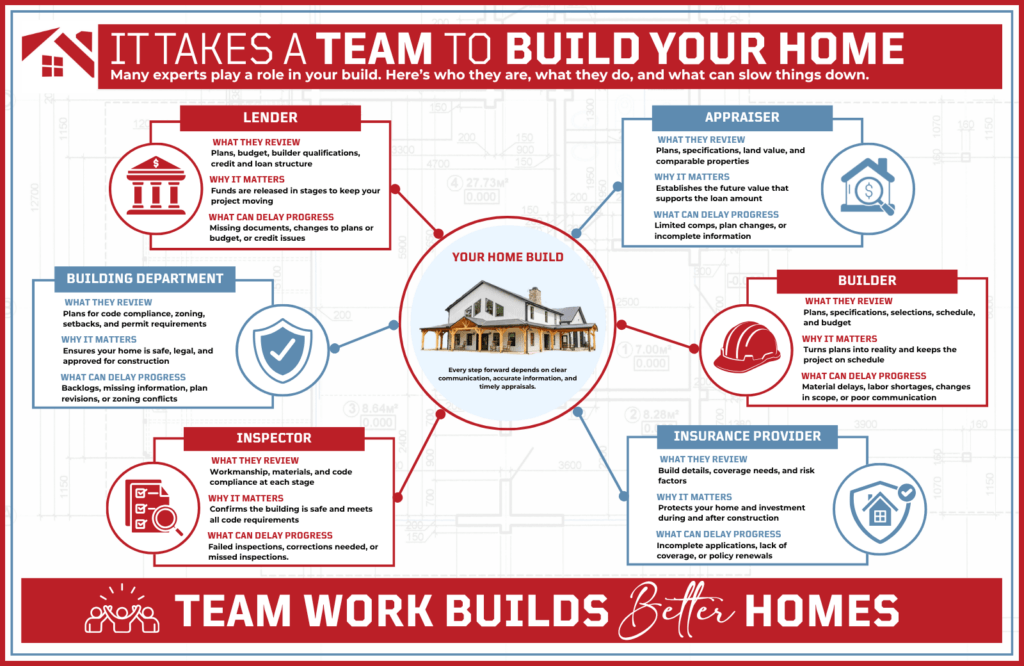
This is the point where the project shifts from planning into execution. Up to this stage, most decisions are flexible. Once financing and permits are in motion, everything becomes more structured, more documented, and more tied to timelines and approvals.
Getting this step right early is what keeps the build moving without costly pauses later.
Most new homes are financed through a construction loan rather than a traditional mortgage. These loans are designed specifically to fund the build in stages and convert into a standard mortgage once the home is complete.
Unlike a typical home loan, construction financing is based on projected value, plans, and builder qualifications. Lenders want to see detailed budgets, approved plans, and a clear scope of work before they release funds.
The strength of your plans and the credibility of your builder can directly affect loan approval and terms.
Getting this step right early is what keeps the build moving without costly pauses later.
Construction loans are not disbursed all at once. Instead, funds are released in phases called “draws” as specific stages of the build are completed.
A typical draw schedule might align with milestones like foundation completion, framing, mechanical rough-ins, and final finishes.
Each draw usually requires inspection and approval before the next portion of funds is released. This structure helps protect both the lender and the borrower, but it also means cash flow is tied directly to progress on site.
Before construction begins, the lender will typically require an appraisal based on the plans, specifications, and projected value of the finished home.
This is different from a standard home appraisal because the property does not yet exist in completed form. Instead, the appraiser evaluates the land, design, and comparable homes in the area to estimate future value.
If the appraised value comes in lower than expected, it can affect loan approval or require adjustments to the budget or design.
Permitting is the official approval that allows construction to begin. It ensures the home complies with local building codes, zoning rules, and safety requirements.
The process varies by location but typically includes plan submission, engineering review, and inspections at multiple stages during construction.
Delays in permitting are common and can impact the overall timeline before ground is even broken, especially in areas with stricter regulations or high demand.
Building a home requires a different type of insurance than a standard homeowner’s policy. Construction insurance, often referred to as builder’s risk insurance, covers the structure during the build phase.
This protects against damage from weather, theft, fire, and other risks while the home is under construction. In many cases, lenders require proof of this coverage before releasing funds.
Once construction is complete, the policy transitions into a standard homeowner’s insurance plan.
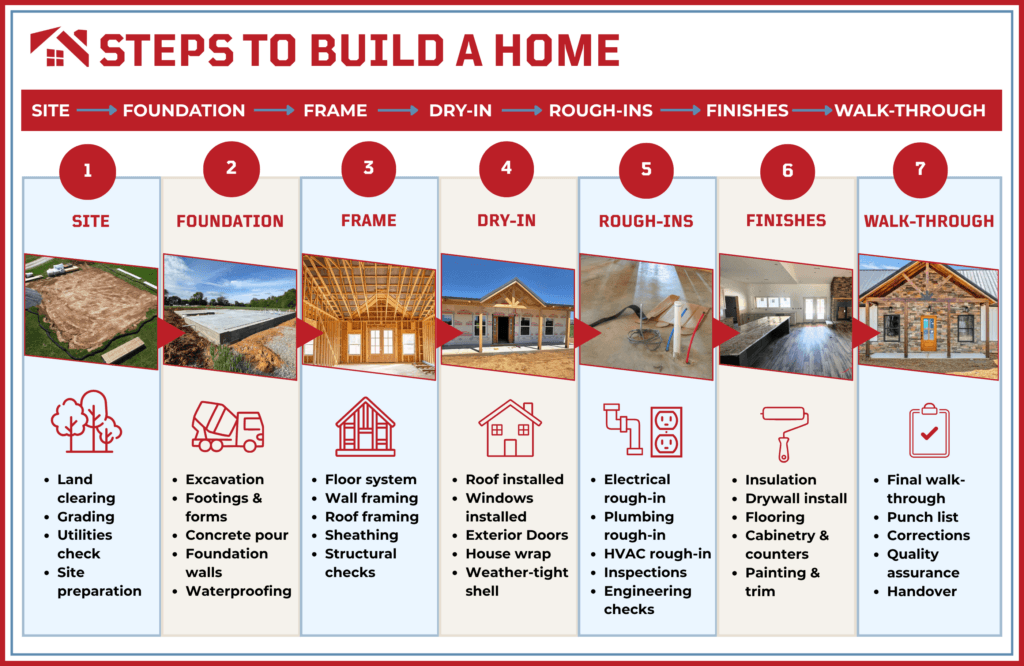
Once permits are approved and financing is in place, the project moves from planning into physical construction. While every build is different, most homes follow the same general sequence from raw land to move-in ready.
Each phase depends on the one before it. When one stage falls behind, the rest of the schedule usually shifts with it.
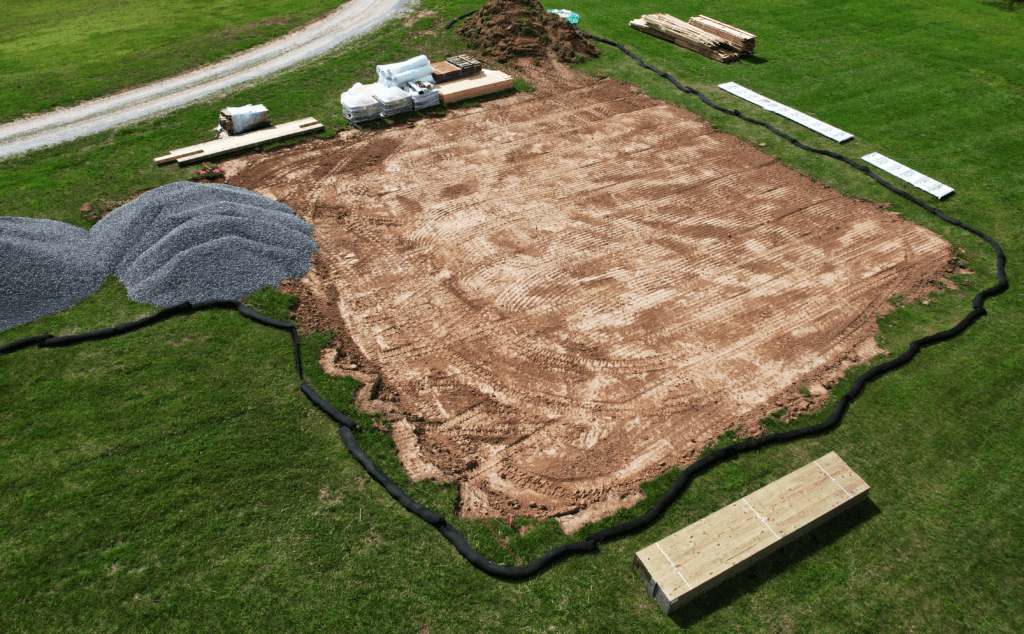
Before construction begins, the property has to be prepared for the home itself. This stage typically includes clearing trees, grading the lot, establishing drainage paths, and creating access for equipment and deliveries.
Utility locations are identified, the home site is staked out, and excavation begins for the foundation.
A smooth site prep phase sets the tone for the rest of the project. Problems here often create delays later.
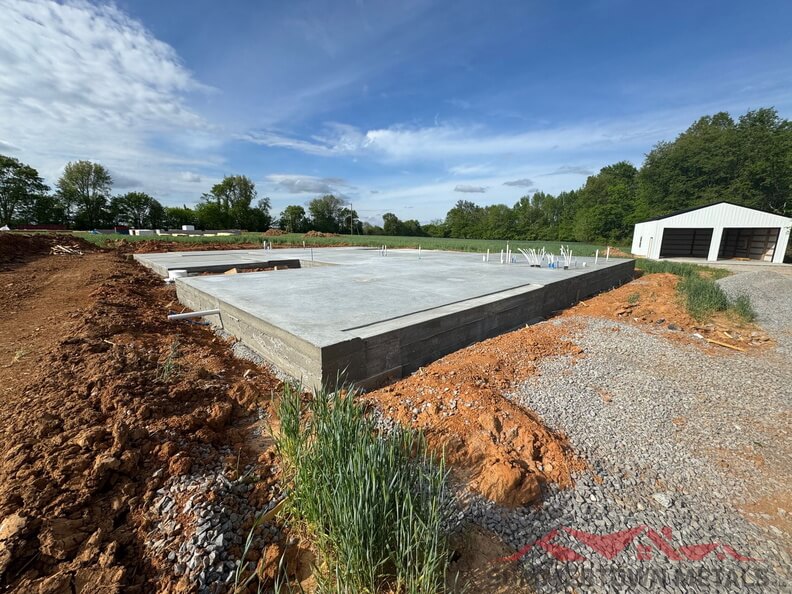
Once the site is ready, the foundation is poured or assembled depending on the type of home and soil conditions.
This may include:
Footings are installed first, followed by foundation walls or concrete slabs. After curing, inspections are completed before structural framing can begin.
Foundation accuracy matters because every part of the home above it depends on proper alignment and levelness.
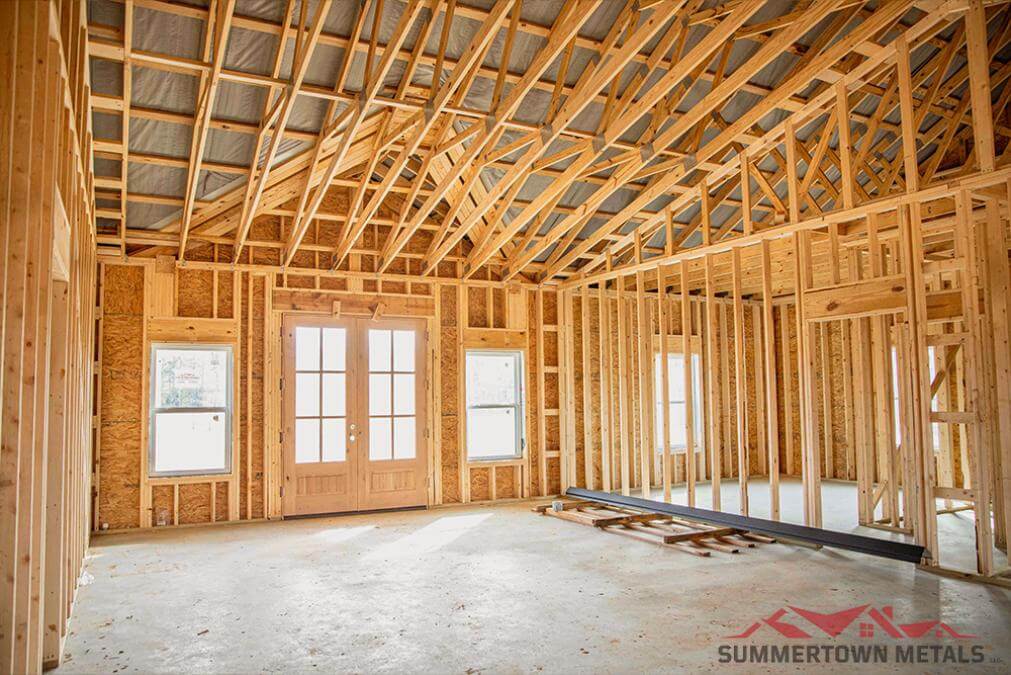
Framing is where the home starts to physically take shape. Floors, walls, and roof systems are assembled, giving the structure its layout and dimensions.
At this point, you can walk through the home and begin to understand how the spaces actually feel in real life compared to the plans.
Framing also includes installation of windows and exterior doors, which helps dry-in the structure before interior work begins.
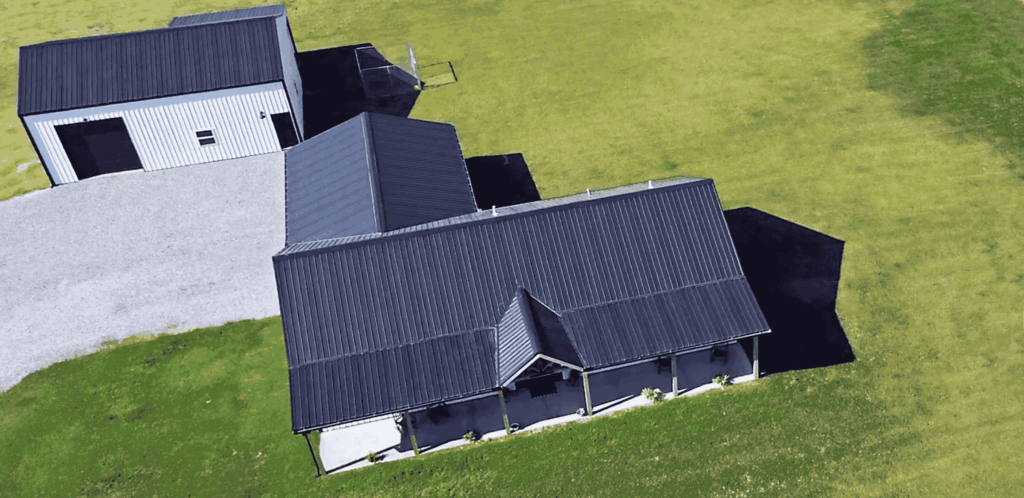
Once the structure is framed, the roof system and exterior materials are installed to protect the home from weather exposure.
This stage often includes:
Getting the home fully dried-in is a major milestone because interior work can now move forward without weather interruptions.
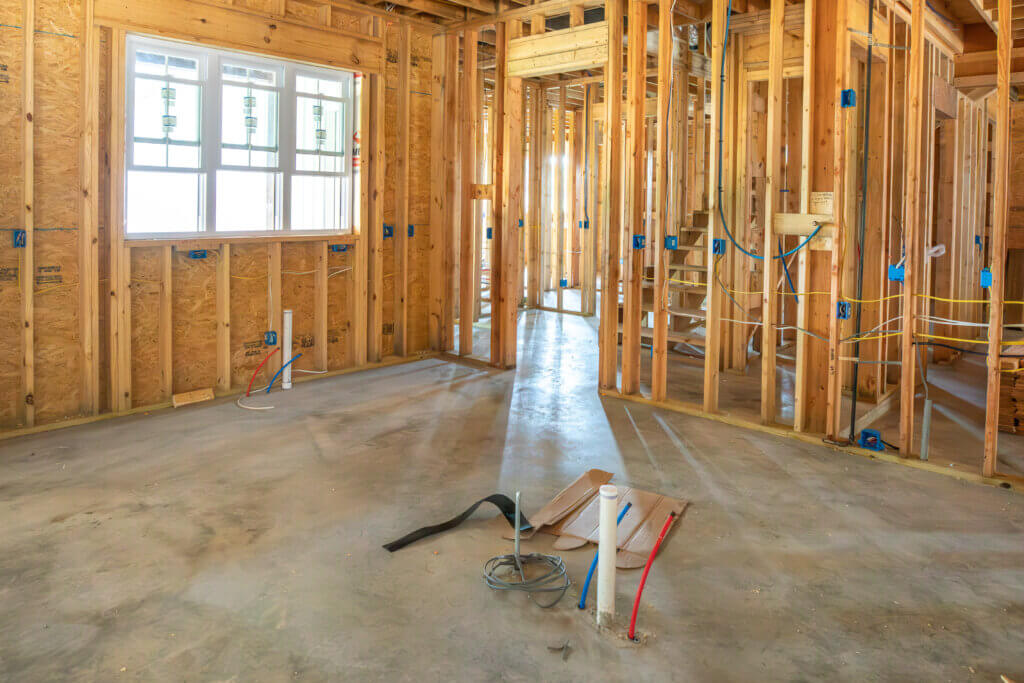
With the structure enclosed, mechanical systems are installed inside the walls and ceilings before insulation and drywall are added.
This includes:
These systems are inspected before walls are closed up to confirm everything meets code requirements.
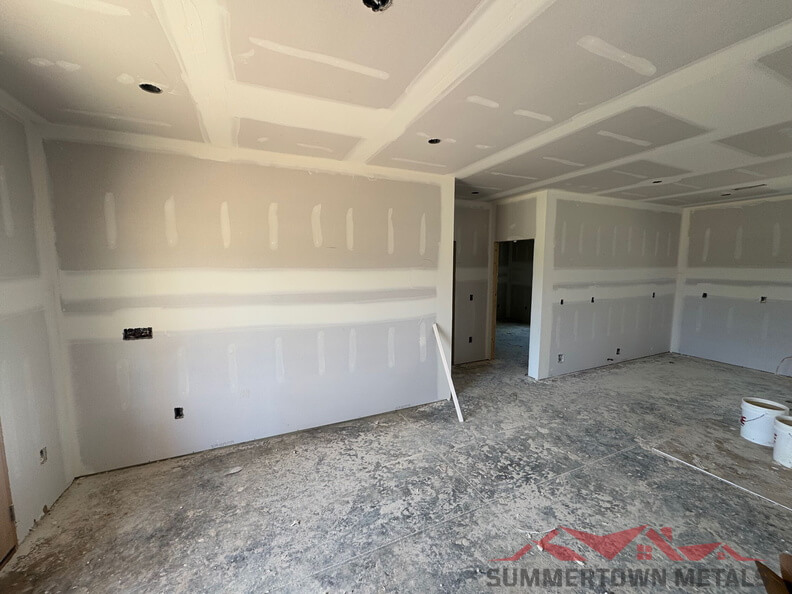
After rough-in inspections are approved, insulation is installed throughout the walls and ceilings to improve energy efficiency and climate control.
Drywall follows immediately after, transforming the interior from an exposed framing structure into recognizable living spaces.
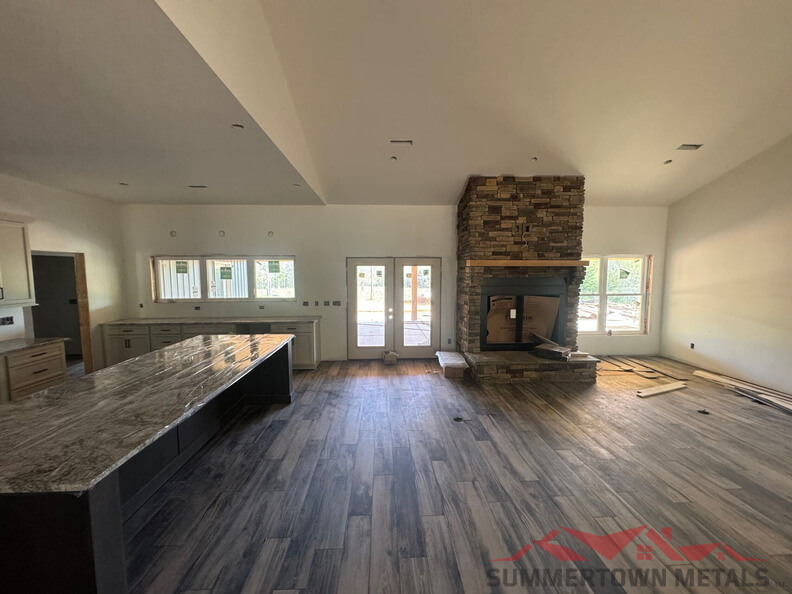
This phase brings together the visible details that define the finished look of the home.
Common installations during this stage include:
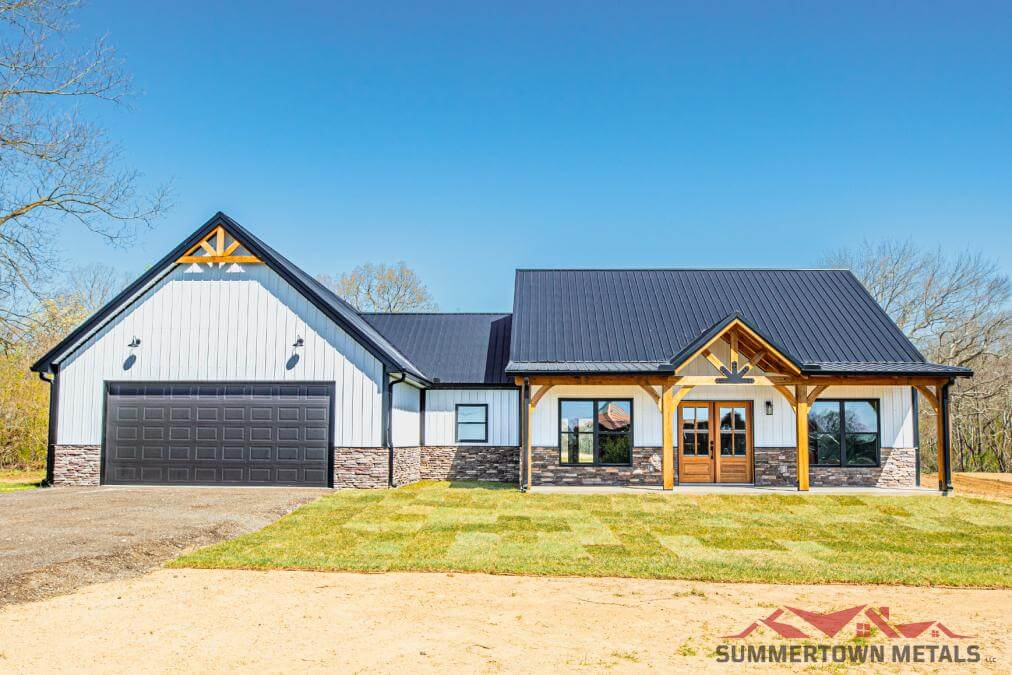
The home is reviewed for code compliance and prepared for occupancy.
Most homebuilding issues come from planning gaps rather than construction failures.
Site work often ends up costing more than expected and can significantly affect total budget.
Small upgrades across multiple categories can compound into major cost increases.
Low bids do not guarantee quality, schedule reliability, or proper coordination.
Changes during construction increase cost and create delays across multiple trades.
Unexpected costs are part of every build and should be planned for upfront.
Most builds extend beyond initial expectations due to external variables outside direct control.
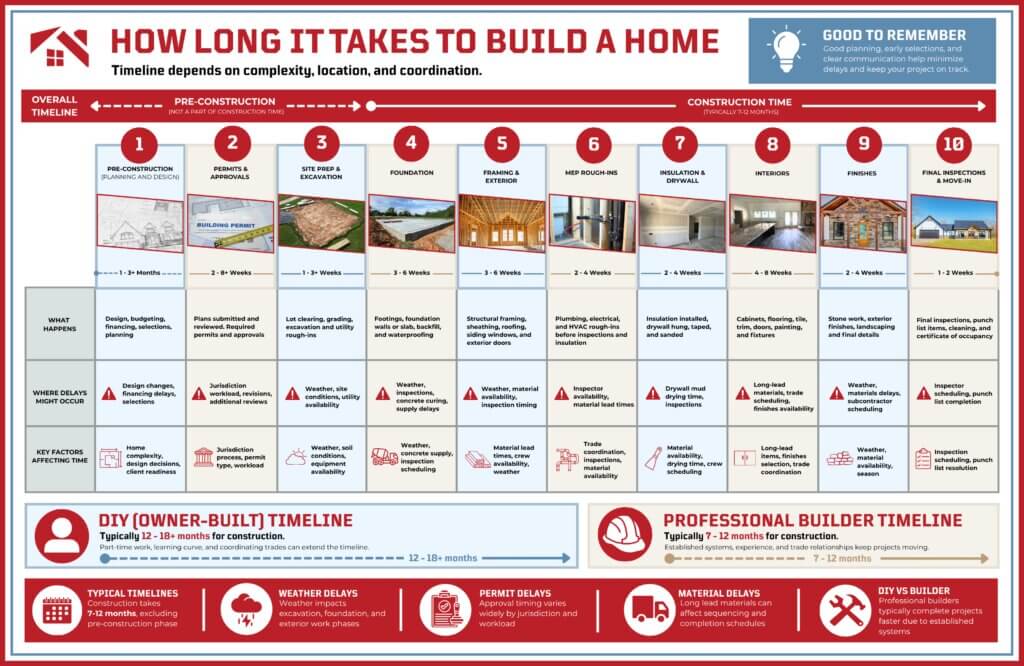
Timeline depends on complexity, location, and coordination.
Construction takes 7–12 months, excluding pre-construction phases.
Weather impacts excavation, foundation, and exterior work phases.
Approval timing varies widely by jurisdiction and workload.
Long-lead materials can affect sequencing and completion schedules.
Professional builders typically complete projects faster due to established systems and trade coordination.
This is the transition from construction to occupancy.
Final corrections and adjustments are completed before closing.
Legal approval confirming the home is safe for occupancy.
Defines post-construction coverage and how issues are handled after move-in.
Final activation of services required for full occupancy.
A home is not the result of a single decision. It is the outcome of hundreds of coordinated choices across land, design, materials, and timing.
Homebuilding is not unpredictable because it is flawed. It is complex because each stage depends on the one before it.
Success comes from understanding that structure early. When decisions are made in the right order, the process becomes more manageable, more predictable, and far less reactive.
A well-built home reflects not just what was designed, but how the entire process was planned from the start.
primary building lead capture form
"*" indicates required fields
LEARN MORE
This guide breaks down the process of building a house in clear, practical terms so you understand what building a home actually involves, where the major decisions happen, and what impacts...
Barndominiums have become one of the most affordable ways to build a custom home without sacrificing space, style, or functionality. But with so many layouts, sizes, ...